
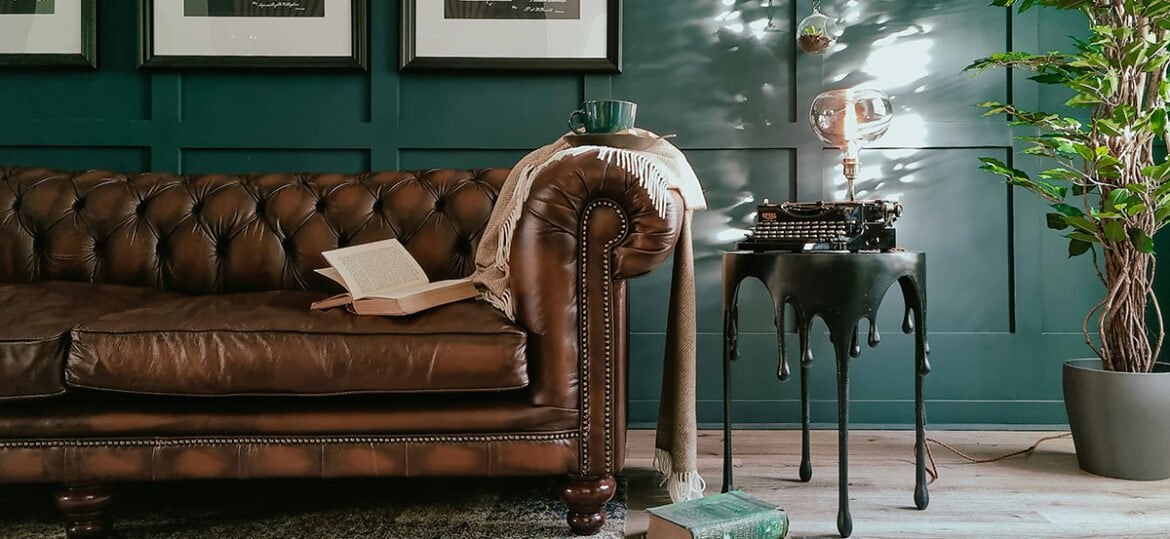
A sofa is rarely just somewhere to sit. In many living rooms, it is the first thing guests notice, the piece that sets the mood before anyone has looked at the artwork, the lighting or the smaller decorative details. That is why understanding how Chesterfield sofas influence first impressions matters if you want your home to feel considered, welcoming and memorable from the moment someone walks in.
The problem is that many people choose a sofa as if it exists in isolation. They look at the size, the colour and the price, then hope it works once it arrives. But a sofa carries visual weight. If it looks too bulky, too flimsy, too formal or disconnected from the rest of the room, it can make the whole space feel less confident.
A Chesterfield sofa solves this in a very particular way. With its rolled arms, deep button detailing, structured silhouette and long design history, it instantly tells a story. It can make a room feel elegant, established and full of character. Used badly, however, it can also feel heavy or overly traditional. In this article, we will look at how Chesterfield sofas influence first impressions, why their design has such an impact, and how to choose one that enhances your space without overpowering it.
Why a Chesterfield Sofa Makes an Immediate Impact
Walk into a room with a plain square sofa, and your eye may move quickly past it. Walk into a room with a Chesterfield sofa and the reaction is different. The deep button upholstery, button tufting, rolled arms and confident shape give it a clear presence. It is not background furniture. It behaves like a statement piece.
That is one of the reasons the Chesterfield style has lasted so well. It has a recognisable identity. Even people who do not know much about furniture can usually sense that a Chesterfield is more deliberate than a standard sofa. It looks designed rather than simply bought.
This is where first impressions become interesting. People do not read a room feature by feature. They absorb the overall feeling quickly. A high-quality Chesterfield sofa can make living rooms feel more grounded because it creates a strong focal point. The room feels as though it has an anchor.
There is also a subtle social signal at work. A Chesterfield suggests that you care about permanence. It is not chasing a passing trend in the same way as some ultra-modern shapes. That does not mean it has to look old-fashioned. Modern Chesterfields in softer leathers, velvet, linen-look fabrics or cleaner silhouettes can feel fresh while still carrying the visual authority of the original design.
The practical tip here is simple: do not make the Chesterfield compete with too many other loud pieces. If the sofa is the strongest object in the room, let it lead. A glass coffee table, slim side tables, simple shelving and well-placed lighting will usually work better than heavy furniture on every side. The goal is balance, not a room full of objects all trying to be important.
Craftsmanship, Heritage and the Feeling of Quality
Part of the Chesterfield’s power comes from its history. The design is often linked to the fourth Earl of Chesterfield, who is said to have wanted a piece of furniture that allowed gentlemen to sit upright without creasing their clothes. Whether every detail of that story is perfectly provable or not, the association has stuck because the design itself supports it. It looks formal, composed and carefully made.
That heritage affects how people read the room. A leather Chesterfield sofa can suggest tradition, durability and taste. A fabric Chesterfield can soften the same shape, making it feel more relaxed and homely. Velvet can push it towards drama and luxury. The frame, upholstery, cushion fillings and finishing details all shape the impression.
This is where cheaper versions often fall short. From a distance, a low-quality Chesterfield may appear similar, but the feeling changes when you sit on it or see it up close. Loose buttoning, thin padding, weak cushion fillings or poorly stretched upholstery can make the sofa look tired before it has had time to age properly. A good Chesterfield develops character. A poor one simply wears out.
There is a useful design principle here that many people overlook: first impressions are not only visual. They are tactile. Guests notice how a sofa feels when they sit down. If the seat is too hard, too shallow or too low for the way the room is used, the elegance will not save it. A Chesterfield sofa comfortable enough for daily life will always create a better impression than one chosen purely for looks.
When choosing a Chesterfield, ask practical questions before you fall in love with the image. Is the seat depth right for how you relax? Do you prefer a firmer sit or something softer? Are the cushions removable? Will the upholstery suit children, pets or frequent guests? Is the back height comfortable for the people who will use it most?
A beautiful sofa that nobody enjoys sitting on sends the wrong message. It says the room was designed for display rather than living.
Does a Chesterfield Feel Welcoming or Too Formal?
This is one of the most common concerns, and it is a fair one. Chesterfields can feel formal. In some rooms, that is exactly the point. A dark leather sofa, antique furniture and traditional lamps can create a club-like atmosphere that feels rich and established. But not every home needs that level of formality.
The good news is that Chesterfields are more flexible than their reputation suggests. A tan leather Chesterfield can feel warm and relaxed. A soft grey fabric Chesterfield can sit comfortably in a contemporary design. A green or navy velvet model can make a living room feel stylish without becoming stiff.
The mistake is assuming the sofa alone decides the mood. It does not. The surrounding pieces matter just as much. A Chesterfield placed on a heavy patterned rug with dark walls and ornate furniture will naturally feel traditional. The same sofa against pale walls, with a textured rug, simple lighting and clean-lined tables, will feel much more current.
Real-life buyers often worry about low backs, especially if they are replacing a sofa they use for lounging every evening. That concern is worth taking seriously. Classic Chesterfields tend to encourage a more upright posture. If you want a sofa for curling up in front of the television, look for deeper seats, softer cushion fillings or a slightly more relaxed modern Chesterfield shape.
There is no shame in choosing comfort over strict tradition. In fact, that is often the better design decision. A room makes the strongest first impression when it feels both attractive and usable. Guests can sense when a space has been arranged for real life.
A few practical checks help here:
- Measure the full width, including the rolled arms, as they take up more space than slim modern arms.
- Check the seat depth if the sofa will be used for lounging.
- Use cushions carefully, not to hide discomfort but to support the way people sit.
- Leave enough walking space around the sofa so it feels intentional rather than squeezed in.
The best Chesterfield is not always the most traditional one. It is the one that fits the life of the room.
Colour, Material and Placement Shape the First Impression
Colour changes everything. A brown leather Chesterfield sofa feels classic, warm and familiar. Black leather feels sharper and more dramatic. Tan instantly elevates a neutral room because it adds warmth without looking too heavy. Cream or pale grey can make the Chesterfield style feel calmer, especially in smaller spaces.
A fabric Chesterfield is often the perfect choice when you want the shape without the strong formality of leather. It works well in family homes because it can look softer and more relaxed. Velvet, on the other hand, brings depth. It catches light differently throughout the day, which can make a room feel richer without adding pattern or clutter.
Natural light should influence your decision. Dark leather can look beautiful in a bright room but may feel heavy in a small, north-facing space. Pale upholstery can elevate your space but needs more care. Jewel tones are striking, although they work best when the rest of the colour palette is controlled.
Placement matters just as much as material. A Chesterfield pushed awkwardly against a wall can lose some of its impact. If the room allows, give it breathing space. In open-plan living rooms, use the sofa to divide the seating area from the dining or kitchen space. In a smaller room, choose a two-seater or compact model rather than forcing in a large sofa that blocks the flow.
One unique way to think about this is to treat the Chesterfield as a “social cue”. It tells people where to gather, how formal the room feels and what kind of atmosphere to expect. A soft fabric Chesterfield with warm lighting says, “come in and relax”. A dark leather Chesterfield with a strong coffee table says, “this room has presence”. Neither is wrong, but they create different first impressions.
Styling should support that cue. A rug can anchor the sofa. A floor lamp can highlight the deep button detail. A single throw can soften leather without making it look messy. Avoid filling every corner with decorative objects. Chesterfields already have plenty of visual texture, so the surrounding space often benefits from restraint.
Choosing a Chesterfield That Feels Right for Your Home
When choosing a Chesterfield, start with the impression you want the room to make. Do you want guests to feel relaxed, impressed, comforted or surprised? That answer will guide the material, size and colour more effectively than copying a room from Pinterest.
For a traditional home, a leather Chesterfield sofa in brown, oxblood or tan can feel completely natural. In a modern flat, look at modern Chesterfields with cleaner lines, slimmer proportions or softer upholstery. For a family living room, comfort and durability should come before strict historical accuracy. For a home office or reading room, a more structured Chesterfield can bring authority and focus.
It is also worth accepting a subtle critique: Chesterfields are not right for every space. If your room is very narrow, if you prefer low visual clutter, or if you want a sofa you can fully sink into, another style may suit you better. A Chesterfield works best when you actually want its presence. Trying to make it disappear defeats the point.
That said, when the scale, colour and comfort are right, few sofas offer the same combination of character and polish. A Chesterfield is more than a piece of furniture. It is a design decision that people notice.
Conclusion
Understanding how Chesterfield sofas influence first impressions helps you choose with more confidence. Their rolled arms, deep button detailing, button tufting and heritage shape give them a presence that standard sofas often lack. They can make a room feel elegant, warm, established and expressive, but only when the design supports the way you actually live.
The key is not to choose a Chesterfield because it looks impressive in isolation. Choose one because it fits your room, your comfort needs and the feeling you want to create. Pay attention to upholstery, cushion fillings, scale, placement and lighting. Let the sofa lead, but do not let it overpower the space.
A well-chosen Chesterfield instantly elevates a room because it feels intentional. Whether you prefer classic leather, a softer fabric Chesterfield or one of the more contemporary modern Chesterfields, the right design can help elevate your space from simply furnished to genuinely memorable.
If you are ready to create a stronger first impression, explore Chesterfield sofas by size, material and colour, then choose the piece that says exactly what you want your home to say.