
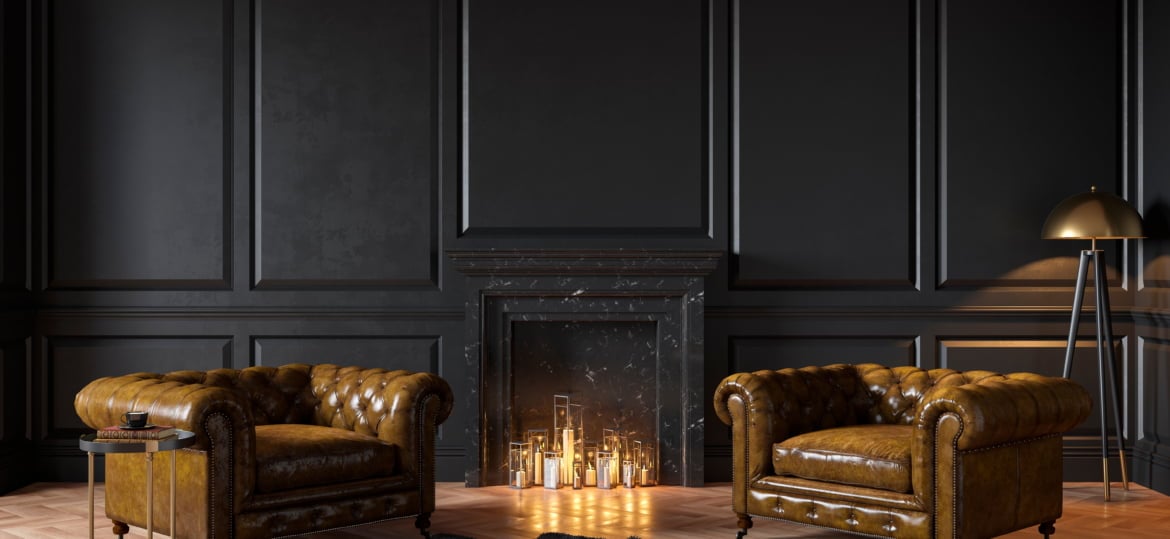
Choosing a Chesterfield sofa is one of the most rewarding decisions you can make when designing a living room or any of your living spaces. Its rolled arms, deep button upholstery, and distinctive silhouette create a sense of luxury that has endured for generations. Yet the beauty of the design only reaches its full potential when it is chosen in the right size for your home. Many Chesterfields carry a substantial presence and can easily become either the perfect centrepiece or a piece that overwhelms the room if size has not been considered carefully. Understanding how to choose the right size Chesterfield sofa for your room is therefore essential, and doing so will help you achieve balance, comfort, and a harmonious layout in your space.
Sizing a sofa is about more than simply checking dimensions on a product page. Chesterfields are unique in their proportions, meaning their footprint often differs from other sofa styles. A classic Chesterfield has sculptural features that add width, height, and depth in ways you might not initially expect. This guide explains how to choose the right size Chesterfield sofa for your room by helping you measure properly, understand proportions, consider ergonomics, and select a piece that suits how you intend to live. With careful planning and awareness of the design details that make the Chesterfield so iconic, you can ensure your sofa not only fits but enhances your space with confidence.
Understanding the True Footprint of a Chesterfield Sofa
Before choosing any sofa, it helps to recognise that a Chesterfield demands more space visually and physically than many modern, straight-lined designs. The rolled arms are often tall and wide, sometimes matching the height of the back. This creates the instantly recognisable symmetry that defines the classic Chesterfield, but also means the overall width can be wider than a standard two or three-seater leather sofa or fabric alternative.
The deep button upholstery contributes to the sofa’s visual weight. Where minimalist sofas appear light and streamlined, a Chesterfield reads as substantial, elegant, and architectural. The craftsmanship that goes into this detailing adds depth at the back and sometimes thickness to the arms, all of which affects how the piece occupies the room.
It is also important to understand that different sofa collections offer different interpretations of the design. While one range may have a compact silhouette suited to smaller living spaces, another might celebrate oversized rolled arms, a deeper seat, or taller back. These variations mean that size is not just about the length of the sofa, but how its design style interacts with your home. Recognising the true footprint is the first step in understanding how to choose the right size Chesterfield sofa for your room.
Measuring Your Room Properly
Accurate measuring is essential, not only for making sure the sofa fits but also for ensuring it feels proportionate. Measurements should begin with the overall dimensions of the space, including the full length and width of the room. Once the main dimensions are recorded, consider where the sofa will sit and how people will move around it.
Allow sufficient clearance around the sofa so movement remains natural. A good guideline is to leave approximately eighteen to twenty-four inches of clear space around the furniture so the room remains functional and airy. This avoids creating tight walkways, prevents the room from feeling cramped, and preserves the integrity of the design. Chesterfields look at their best when there is space for the rolled arms and deep button details to be appreciated from more than one angle.
It is also helpful to mark the sofa’s measurements directly onto the floor using tape. This lets you see the shape and footprint in relation to doorways, windows, alcoves, focal points, and other furniture. Visualising the outline helps you understand whether the sofa will dominate or fade into the room and whether the proportions will create balance. Many people are surprised by how different a sofa appears once mapped out in full scale.
Doorways and access points should not be forgotten. Measure the width and height of door frames, hallways, and staircases. Pay attention to tight corners, bannisters, or narrow landings. Chesterfields can be substantial, and access limitations can affect whether the piece can be delivered safely. Planning ahead prevents unnecessary difficulty later and ensures your chosen sofa size reaches the intended room with ease.
Matching Sofa Size to the Size of Your Room
Different rooms require different approaches. What works beautifully in an open plan living room may feel overwhelming in a small flat or compact snug. Chesterfields come in a variety of lengths, depths, and design interpretations, so choosing the correct size is about matching scale, purpose, and style to the physical environment.
Small Rooms and Compact Living Spaces
In smaller rooms, choosing a two-seater or compact variant helps maintain flow without sacrificing style. A slim arm design or shallower depth may create a better fit for the proportion of the room without losing the character of the Chesterfield. Lighter fabrics also soften the visual weight and prevent the sofa from appearing too dominant. Raised legs help create a sense of air beneath the frame, making the piece feel lighter and the room feel more open.
Natural light influences how a Chesterfield reads in a small room. Dark leather Chesterfield designs, while traditional and beautiful, can feel heavier in rooms with limited light. Consider mid-toned leather or lighter fabric if you want the piece to feel inviting rather than imposing.
Medium-Sized Rooms
A medium-sized living room often suits a standard three-seater comfortably. The key is proportion. A three seater should ideally take up roughly two-thirds of the wall it sits against, which ensures the sofa becomes a balanced focal point without overpowering the space. Leaving space at either end of the rolled arms gives the design room to breathe and highlights its sculptural qualities.
A single accent chair rather than a matching pair can prevent the room from looking overly formal. Chesterfields pair well with contrasting silhouettes, and introducing variety can help maintain a welcoming, homely atmosphere.
Large Rooms and Open Plan Layouts
Larger rooms provide the freedom to explore corner arrangements, oversized Chesterfields, or even four-seaters. A classic Chesterfield can anchor a large space effectively, creating a zone within an open plan environment. In expansive rooms, the main risk is the sofa appearing lost rather than too large. Choosing a design with deeper arms, a taller back, or richer upholstery can help maintain presence.
In open plan layouts, positioning becomes as important as size. Floating the sofa in the centre of the room can help define the living space, creating a sense of structure without relying on walls. A console table behind the sofa can add functionality, while still keeping the overall layout spacious.
Proportions, Balance, and Design Principles
A well-sized Chesterfield creates harmony in the room. Too small and it lacks impact. Too large, and the room feels constrained. Interior designers often recommend using the two-thirds rule, where the sofa ideally covers two-thirds of the wall length it faces. This creates a natural sense of balance that works across most sofa styles, including the most traditional Chesterfields.
Ceiling height also affects how a sofa appears. High ceilings allow for taller backs or deeper silhouettes, whereas lower ceilings may benefit from a more compact version that avoids making the room appear smaller. Choosing complementary furniture helps maintain proportion. Avoid placing heavy, bulky items next to a Chesterfield in smaller rooms, as it can make the room feel visually crowded. Instead, mix heavier pieces with lighter ones to maintain equilibrium.
Mirrors and lighting can also play a role. A mirror positioned opposite the sofa helps bounce light and opens up the space. Floor lamps with slender profiles can provide height without adding clutter. These visual strategies help you ensure the sofa size feels intentional and proportionate.
Comfort, Seat Depth, and User Ergonomics
Comfort is often influenced by size and proportion. Chesterfields traditionally have deep seats, making them perfect for people who enjoy relaxing and reclining. However, deeper seats may not suit those who prefer a more upright seating position. Petite users often find extremely deep seats less supportive, while taller individuals may appreciate the extra room to stretch out.
Seat height is another consideration. Higher seat heights can provide easier movement for those who do not want to sit too low, while lower profiles emphasise a relaxed, loungy feel. Back height also contributes to comfort and posture. Some Chesterfields have high, supportive backs suitable for reading and long sitting periods, while others are lower for a more contemporary aesthetic.
Understanding how you will use the sofa is essential. Whether it is for family lounging, reading, entertaining, or occasional seating, the ergonomics will guide which size and depth work best for your lifestyle.
Placement and Flow Within the Room
Where the sofa sits affects how large it feels. Pushing a Chesterfield directly against a wall can sometimes make the room feel flat or cramped, especially in small spaces. Allowing a little space behind the sofa creates depth and preserves the sculptural outline of the rolled arms and back.
Floating a Chesterfield in the centre of a room also works well if you want to define zones within an open plan layout. This can help separate dining and living spaces without adding physical dividers. When placed centrally, the back of the sofa becomes part of the design, so ensuring it has enough space to be appreciated is worthwhile.
Consider sight lines when placing the sofa. Think about what you face when seated. Whether your main focal point is a fireplace, television, window, or artwork, the positioning should enhance the experience. A correctly sized sofa will make this natural and comfortable.
Understanding Style Variations That Affect Size
While the classic Chesterfield remains instantly recognisable, modern sofa collections offer numerous interpretations. Some designs include slimmed-down arms for a contemporary feel and a smaller footprint. Others emphasise deep seats and oversized detailing that suit generously sized rooms.
Modular Chesterfields provide additional flexibility, especially in open-plan environments. They can be arranged to fit unusual room layouts or used to create a central seating island. Smaller curved back designs provide elegance in compact spaces while maintaining the essential Chesterfield charm.
Choosing a style that fits both your interior and your space ensures the sofa feels like it belongs rather than being an afterthought. The right size is informed not only by length and depth but by the interplay between design, comfort, and the architecture of the room.
Checklist of Key Considerations Before Choosing a Size
A simple overview helps you review the main points once measurements and preferences are clear. Consider how the sofa sits within the room, how it suits your comfort needs, and how its design complements the surrounding furniture. Think about natural light, traffic flow, the scale of other pieces, and the placement of lighting. Evaluate whether the selected size feels balanced and in harmony with your overall design.
Common Mistakes to Avoid When Choosing a Chesterfield Sofa Size
Several recurring mistakes can affect how satisfied you feel with your choice. Choosing a sofa that is too large is common, especially when people visualise the sofa only against a bare wall and forget the other items that must also occupy the room. Failing to allow enough breathing space around the rolled arms is another, as tight spacing prevents the design from standing out.
Choosing a sofa that is too small for a large room can also disrupt balance. A piece that lacks presence may feel lost and underwhelming. Another mistake is choosing heavy, dark fabrics in low-light rooms where the sofa may dominate more than intended. Ignoring seat depth and comfort needs is also a missed opportunity to ensure everyday satisfaction.
The most avoidable issue is not measuring access routes. Hallways and staircases can quickly become obstacles if not considered in advance. Avoiding these mistakes ensures the sofa size feels right the moment it enters the room.
Conclusion
Learning how to choose the right size Chesterfield sofa for your room is about understanding space, proportion, and the character of the design. The Chesterfield carries a heritage that blends comfort with sculptural beauty, and choosing the right size allows these qualities to shine. When measurements are taken thoughtfully, when proportions are respected, and when comfort and function guide your decisions, the result is a piece that enhances not just the room but the way you live within it.
Whether your home is compact, spacious, or somewhere in between, selecting a Chesterfield that fits properly creates balance, harmony, and elegance. With a clear plan and careful consideration of every detail, you can create a living room that feels welcoming, functional, and beautifully designed.