
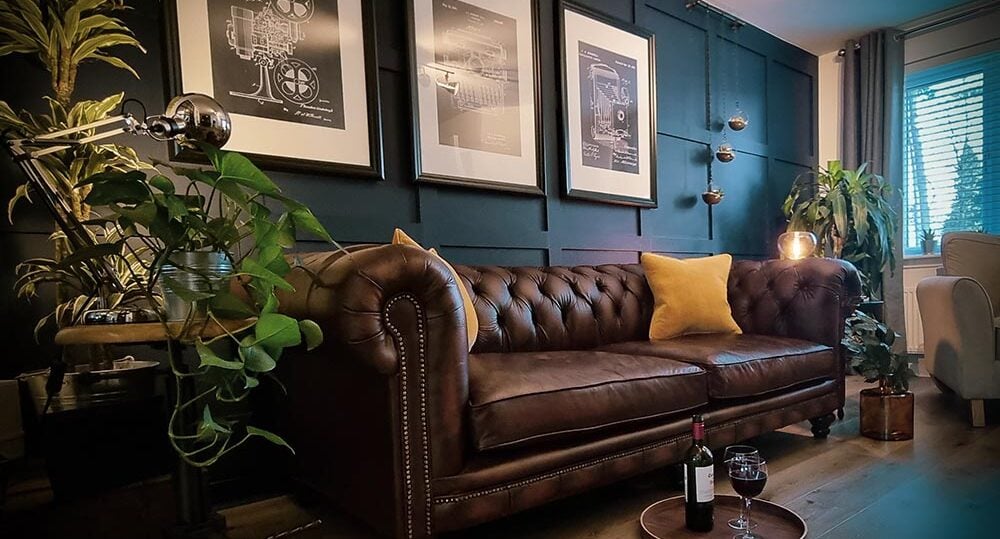
How Chesterfield sofas can help with back pain is a question more people are asking as awareness grows around posture, seating habits, and the amount of time we now spend sitting at home. Back pain is rarely caused by a single factor. More often, it builds slowly through daily routines, poor support, and furniture that encourages the body into positions it was never designed to hold for hours at a time.
While no sofa can cure an underlying medical condition, the right design can reduce strain, improve posture, and prevent existing discomfort from getting worse. Understanding why this matters requires looking at how sofas affect the spine, muscles, and joints during everyday use.
Can the wrong sofa really make back pain worse?
The short answer is yes. The wrong sofa can absolutely make back pain worse, especially when used daily. Soft sofas that allow the body to sink too deeply often cause the pelvis to tilt backwards. When this happens, the natural curve of the lower spine flattens, forcing surrounding muscles to work harder just to keep you upright.
Over time, this leads to muscle fatigue, stiffness, and increased pressure through the lumbar spine. A lack of structure also means weight is not evenly supported. Instead of distributing weight across the seat and backrest, pressure builds in small areas, particularly the lower back and hips. This is one of the most common reasons people notice discomfort after sitting, even if the sofa feels comfortable at first.
A poorly supported seat can also affect how you stand up. Sofas that are too low or too soft place extra strain on the spine when rising, which can aggravate existing pain and increase the risk of flare-ups.
What types of back pain are affected by poor seating posture?
Not all back pain feels the same, and seating posture can influence several types. Lower back pain is the most commonly affected, as this area absorbs much of the load when sitting. Without adequate support, the muscles around the lumbar spine tighten and tire, leading to aching or sharp discomfort.
Poor seating can also contribute to upper back and shoulder pain. When a sofa encourages slouching, the shoulders roll forward and the neck cranes ahead of the spine. This position places stress on the upper back and can lead to tension headaches or stiffness across the shoulders.
Sciatic-style pain, which radiates from the lower back into the legs, can also be aggravated by seating that compresses the hips or restricts blood flow. While a sofa alone is not the cause, poor posture and prolonged sitting can intensify symptoms.
Why Chesterfield sofas are different from many modern designs
Chesterfield sofas were originally designed for a more upright sitting position. This heritage plays a role in why they can offer better support than many deep, lounge-style alternatives. The structured back, combined with firm cushions and a supportive frame, encourages the spine to stay closer to its natural alignment.
The defining features of Chesterfield sofas are not purely decorative. Deep buttoning helps maintain the shape of the backrest, preventing cushion filling from shifting unevenly. Rolled arms provide stable contact points for the arms and shoulders, reducing the tendency to hunch forward.
Unlike overly soft sofas, a well-made Chesterfield does not collapse under body weight. This stability is key when it comes to long-term comfort and spinal support.
Firmness matters more than softness
Comfort is often mistaken for softness, but when it comes to back health, firmness plays a far more important role. Soft sofas may feel inviting initially, but they often lack resistance. As the body sinks, posture deteriorates, and muscles are forced to compensate.
Chesterfield sofas typically feature firm cushions made with high-density foam. This type of cushion filling offers resistance without feeling rigid. The foam supports the body evenly, helping to distribute weight across the seat rather than allowing pressure to concentrate in the lower back.
Firm cushions also retain their shape for longer. Over time, sagging cushions are one of the biggest contributors to discomfort, as they subtly alter how the spine is supported. A supportive seat should feel consistent day after day, not just when it is new.
Seat depth, height, and spinal alignment
Seat depth plays a crucial role in whether a sofa supports or strains your back. Seats that are too deep force shorter users to slide forward, losing contact with the backrest. This position almost guarantees slouching.
Chesterfield sofas tend to offer a more balanced seat depth. When seated properly, the feet can rest flat on the floor while the lower back maintains contact with the backrest. This alignment helps keep the spine neutral, reducing muscle strain.
Seat height also matters. Sofas that sit too low increase pressure through the hips and lower spine. A supportive Chesterfield allows the hips and knees to sit at a comfortable level, making it easier to stand without twisting or jolting the back.
High back versus low back Chesterfield designs
Not all Chesterfields are identical, and back height can influence comfort depending on your needs. A traditional low back Chesterfield supports the lower and mid back well, making it suitable for those who prefer an upright posture without reclining.
High back Chesterfield designs extend support into the upper back and shoulders. This can be beneficial for taller individuals or those who experience discomfort higher up the spine. The added support helps maintain posture during longer periods of sitting and can reduce tension in the neck and shoulders.
Both designs rely on structure rather than softness to provide support, which is what sets them apart from many contemporary sofas.
Cushion filling, suspension, and long-term support
Cushion filling is only one part of the equation. Beneath the cushions, the suspension system plays a significant role in comfort. Quality Chesterfield sofas use supportive spring systems or durable webbing that resists sagging.
This foundation works alongside the cushion filling to maintain consistent support. Over the long term, good suspension prevents the seat from dipping, which can otherwise shift weight unevenly and place strain on the lower back.
High-quality materials throughout the frame and suspension ensure that the sofa continues to support the body as intended, rather than gradually becoming a source of discomfort.
Leather or fabric and how materials affect comfort
The choice between leather and fabric often comes down to personal preference, but both can offer extra comfort when paired with the right structure. Leather tends to mould slightly to the body over time while maintaining support. It also allows subtle movement, which can help prevent stiffness during longer sitting periods.
Fabric can feel softer to the touch and warmer, which some people find more comfortable for extended use. What matters most is not the surface material but what sits beneath it. A high-quality Chesterfield, whether leather or fabric, relies on its internal build to provide back support.
How long can you safely sit on a sofa with back pain?
Even with a supportive sofa, prolonged sitting is not ideal for anyone with back pain. Movement remains essential. As a general guideline, changing position or standing briefly every thirty to forty-five minutes helps reduce stiffness and maintain circulation.
A supportive Chesterfield can make those sitting periods more comfortable and reduce the strain placed on the spine, but it should not encourage remaining still for hours on end. Using a footstool occasionally can provide extra comfort, but it should not cause the lower back to round or the pelvis to tilt excessively.
Listening to the body is key. Discomfort is often a signal to adjust posture or take a break.
Common mistakes that reduce back support
Many issues arise not from the sofa itself, but from how it is used. Sitting on the edge for long periods, perching without back support, or relying on sagging cushions all undermine even the best design.
Another common issue is ignoring cushion wear. Over time, even firm cushions can lose resilience. Replacing or refreshing cushion filling can restore support and prevent discomfort from returning.
Positioning also matters. Twisting to reach tables or slouching to one side places uneven stress on the spine. A well-positioned Chesterfield, combined with mindful seating habits, can significantly reduce these issues.
How Chesterfield sofas can help with back pain in everyday life
How Chesterfield sofas can help with back pain becomes most apparent in daily routines. Sitting down to read, watch television, or talk with family should not lead to aching muscles or stiffness an hour later. A supportive sofa helps maintain posture without constant adjustment.
By encouraging an upright position, supporting the lower back, and distributing weight evenly, Chesterfield sofas reduce the subtle stresses that accumulate throughout the day. Over the long term, this can make a noticeable difference to comfort levels, especially for those already dealing with back sensitivity.
When chosen carefully and used thoughtfully, a well-made Chesterfield can be a practical ally in maintaining comfort and reducing unnecessary strain on the spine.