
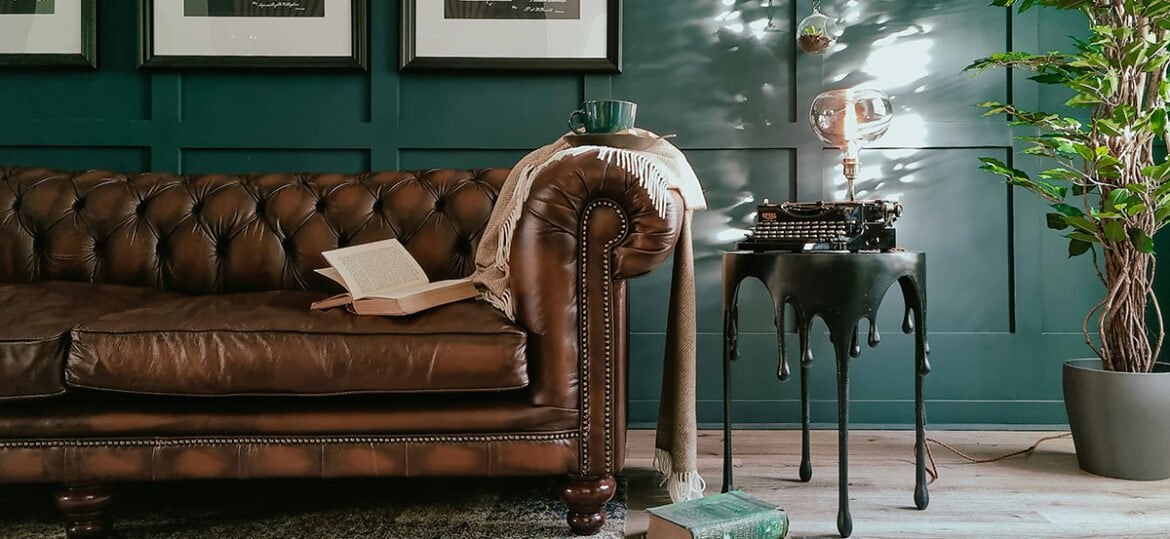
Choosing furniture is rarely about one item in isolation. A sofa might look perfect in a showroom, yet feel completely wrong once placed at home. This is especially true when pairing statement furniture with permanent features like flooring. Chesterfield sofas that work best with wooden floors are not chosen by accident. They succeed because colour, material, proportion, and texture are carefully considered together.
Wooden floors bring warmth, character, and longevity to a living space. Chesterfield sofas bring heritage, structure, and unmistakable presence. When the two are paired thoughtfully, the result feels intentional rather than styled. When they are not, even high-quality pieces can clash.
This guide explores how to find the perfect Chesterfield sofa for wooden flooring, whether the setting is traditional, contemporary, or somewhere in between. Rather than offering generic inspiration, it focuses on why certain combinations work, how to avoid common mistakes, and how to create balance in a real living room.
Why Chesterfield Sofas and Wooden Floors Work So Well Together
There is a reason this pairing has endured for generations. Wooden floors and Chesterfield sofas share a sense of permanence. Both age visibly, both develop character, and both tend to look better with time rather than worse.
Wood brings grain, variation, and organic movement. A Chesterfield sofa brings structure, repetition, and rhythm through its deep button detailing and rolled arms. Together, they create contrast without conflict.
Unlike trend-driven furniture, Chesterfield sofas are not visually fragile. They can hold their own against exposed floorboards, parquet patterns, or wide plank oak. Wooden floors, in turn, prevent the sofa from feeling heavy or overly formal. The space feels grounded but not static.
That balance is what many people are searching for, even if they do not articulate it in those terms.
Understanding Undertones Before Making Any Decisions
Before colour charts or fabric swatches come into play, it is worth understanding undertones. Wooden floors are rarely neutral, even when they appear so at first glance.
Some lean warm, with red or honey notes. Others carry cooler greys or muted yellows. Chesterfield upholstery behaves in the same way. A brown leather Chesterfield sofa might appear warm under artificial light, then noticeably cooler in daylight.
When undertones align, the room feels calm. When they fight, the space feels unsettled, even if each element is attractive on its own. This is why exact colour matching often fails. Complementary contrast tends to work better than close imitation.
Contrast Versus Coordination
Perfect matching can flatten a space. Contrast introduces depth.
A darker sofa against a lighter wooden floor anchors the room. A lighter sofa on darker flooring lifts it. Coordination does not mean sameness. It means the elements speak the same visual language while saying different things.
Choosing the Right Chesterfield Material for Wooden Floors
Material choice affects how a sofa interacts with both light and texture. With wooden floors, this interaction becomes particularly noticeable.
Leather Chesterfield Sofas on Wooden Flooring
A leather Chesterfield sofa is often the first image that comes to mind when imagining this pairing, and for good reason. Leather and wood share tactile honesty. Neither pretends to be something else.
Leather reflects light softly, which works well against matte wooden floors. It also develops patina over time, echoing the way timber deepens in tone with age. Scratches, creases, and subtle wear tend to enhance rather than detract.
Smooth leathers feel more formal and work well in spaces with refined flooring such as parquet or well-finished oak. Distressed or antique finishes suit reclaimed boards or floors with visible knots and variation.
Fabric and Velvet Chesterfields on Wooden Floors
Fabric introduces softness. Against wooden floors, it can feel more relaxed, sometimes more contemporary.
Velvet Chesterfields work particularly well where the flooring has minimal grain or a uniform finish. The contrast between plush upholstery and structured wood adds visual interest without excess.
Textured fabrics, such as linen blends or tweeds, suit rustic or country-style wooden floors. They prevent the room from feeling overly polished while still retaining the classic Chesterfield form.
Matching Chesterfield Sofa Colours to Wooden Floor Types
Colour is where most mistakes occur. Not because people choose badly, but because they choose without context.
Light Wooden Floors
Light woods such as birch, ash, or pale oak reflect a lot of light. They can make rooms feel open, sometimes even sparse.
Mid-toned sofas tend to work best here. Tan, camel, muted browns, and soft greys create contrast without overpowering the floor. Green also works well, particularly darker olive shades that ground the space.
Very pale sofas can look washed out against light floors unless other elements introduce depth.
Medium Tone Wooden Floors
Medium woods offer flexibility. They sit comfortably between warm and cool, making them forgiving.
Classic brown Chesterfields thrive here. So do oxblood, navy, and deep green. These colours echo the depth of the wood without blending into it.
This is often where traditional Chesterfields feel most at home, particularly in family living rooms where warmth matters as much as style.
Dark Wooden Floors
Dark floors demand intention. Without contrast, the room can feel heavy.
Lighter upholstery creates lift. Creams, lighter greys, and certain tans work well. Bold colours also succeed here, provided the room has sufficient natural light.
Dark leather on dark flooring can work, but only when broken up with rugs, lighter walls, or reflective surfaces.
Traditional and Modern Chesterfield Styles on Wooden Floors
Not all Chesterfields are created equal. Proportion and detailing play a large role in how the sofa sits within a space.
Traditional Chesterfields
Traditional designs feature lower backs, pronounced rolled arms, and deep button upholstery that runs consistently across the frame.
These work beautifully on wooden floors with character. Think wide planks, visible grain, or heritage finishes. The repetition of the deep button pattern mirrors the rhythm of floorboards, creating cohesion.
Modern Chesterfield Interpretations
Modern Chesterfields often simplify the silhouette. Higher backs, slimmer arms, or fewer buttons change the overall feel.
These styles pair well with engineered wood floors, herringbone layouts, or minimalist interiors. The sofa provides structure without overwhelming the space.
Proportion, Size, and Layout in Wood-Floored Living Rooms
Wooden floors make a space feel larger. This can be both a benefit and a challenge.
A large Chesterfield can dominate a small room with exposed flooring, particularly if the sofa sits low. Scale matters.
In larger rooms, a generous Chesterfield helps anchor the space. In smaller rooms, a two-seater or a slightly raised design prevents visual heaviness.
Corner Chesterfields can work well on wooden floors, but placement is crucial. Leaving some floor visible around the edges helps maintain balance.
Rugs are often overlooked here. A well-chosen rug does not hide the floor. It frames the sofa, defining the seating area while allowing the wood to remain part of the visual story.
Styling Chesterfield Sofas on Wooden Floors Without Overdoing It
Styling should enhance, not distract.
Wooden coffee tables often feel like the obvious choice, but contrast can be more effective. Metal frames, stone tops, or mixed materials introduce variety while still complementing the floor.
Cushions and throws soften the formality of a Chesterfield. They also provide an opportunity to bridge colours between sofa and floor. Texture matters more than pattern here.
Wall colour plays a supporting role. Neutral walls allow the relationship between sofa and floor to take centre stage. Bolder walls can work, but require restraint elsewhere.
Common Mistakes When Pairing Chesterfields with Wooden Floors
Mistakes are rarely dramatic. They are usually subtle.
Over-matching tones is one. Ignoring undertones is another. Choosing a sofa finish based solely on trends rather than the existing floor often leads to regret.
Scale is frequently overlooked. A Chesterfield that looks perfect in isolation can feel overwhelming once placed on exposed flooring with minimal visual breaks.
Another common issue is neglecting the practical side. Heavy sofas on unprotected wooden floors can cause long-term damage if the feet are not considered.
Are Chesterfield Sofas a Sensible Long-Term Choice for Wooden Floors?
In most cases, yes.
Both elements are durable when cared for properly. They age together, developing a shared history rather than competing for attention.
A Chesterfield sofa does not chase trends. Wooden floors rarely go out of favour. This makes the combination a safe long-term investment for a living room that values comfort, character, and longevity.
Creating a Living Room That Feels Intentional
A successful interior rarely relies on standout pieces alone. It relies on relationships.
Chesterfield sofas that work best with wooden floors do so because their materials, colours, and proportions respect one another. The sofa does not fight the floor. The floor does not overshadow the sofa.
When chosen thoughtfully, this pairing feels effortless. It supports daily life while offering visual depth. It invites use rather than admiration alone.
For those seeking to find the perfect balance between classic furniture and enduring flooring, the Chesterfield and wooden floor combination remains one of the most reliable choices available.