
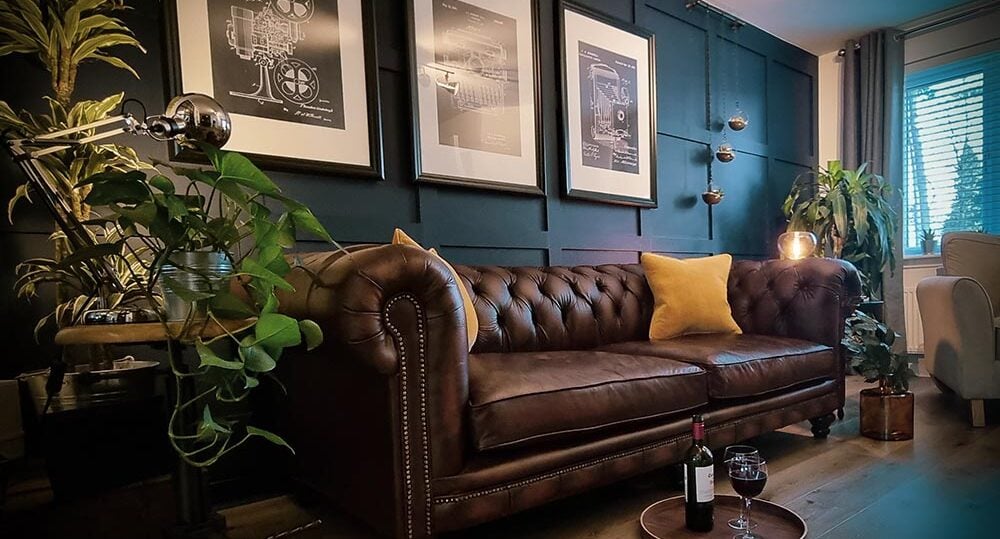
Creating a Social Space with Chesterfield Sofas
A Chesterfield sofa is more than just seating; it is a statement of British design, tradition and timeless comfort. For centuries, leather Chesterfield sofas have been the hallmark of stately homes and stylish interiors, admired for their rolled arms, deep buttons and commanding presence. Today, they continue to offer something unique for modern living, providing not only elegance but also a practical foundation for social spaces.
Creating a Chesterfield sofa social space allows you to bring together family, friends and guests in a setting that is both welcoming and sophisticated. By carefully considering layout, style and accessories, you can design a room that is perfect for entertaining, relaxing and enjoying the company of others.
The Chesterfield as a Social Centrepiece
The Chesterfield’s heritage is rooted in gathering. Originally designed in the 18th century to combine comfort with formality, Chesterfield sofas offer a structure that naturally encourages conversation. With their deep buttons and rolled arms, they invite people to sit comfortably while facing one another, making them ideal for any living room designed for entertaining.
Interior designers often choose Chesterfields because of their versatility. Leather Chesterfield sofas suit both traditional rooms and modern lofts, while fabric Chesterfield sofas introduce softness and texture. A Chesterfield sofa is not just a piece of furniture; it is a centrepiece that shapes the flow of the entire room.
Designing a Chesterfield Sofa Social Space
Creating the right layout is essential. A Chesterfield anchors the room, and everything else revolves around it. In a traditional living room, placing the sofa against a central wall creates symmetry and balance. For open-plan areas, a Chesterfield can define the boundaries of a social zone, separating it from the kitchen or dining area.
Adding armchairs opposite or at an angle creates a natural conversation circle. For larger gatherings, a corner sofa or ottoman extends seating without disrupting the flow. A central coffee table provides a practical surface for drinks, books or games, while side tables next to the arms make sure guests always have somewhere to set down a glass.
Interior designers often recommend arranging seating in a semi-circular or square pattern to encourage eye contact. This small detail transforms a Chesterfield sofa social space into a place where conversation comes easily.
Choosing Sofa Styles and Materials
One of the most appealing things about Chesterfield sofas is the range of sofa styles and fabric options available. Leather Chesterfield sofas are perhaps the most iconic, offering a timeless design that only improves with age. Their durability makes them perfect for long-term use, while their patina adds depth and character over the years.
Fabric Chesterfield sofas, by contrast, provide a softer and warmer aesthetic. Velvet, linen and cotton options are popular choices, allowing homeowners to tailor their social space to their personal taste. With a wide range of colours now available, from classic browns and greens to bold jewel tones, Chesterfields can be styled to suit both heritage-inspired and contemporary interiors.
Whether you prefer leather or fabric options, Chesterfield sofas offer an unmatched balance of comfort and sophistication. When supported by a hardwood frame, they also provide the reassurance of strength and longevity, making them a reliable investment.
Creating Atmosphere and Warmth
A Chesterfield sofa social space is about more than just seating; atmosphere plays a vital role. Lighting is key to setting the tone. A chandelier or pendant adds grandeur, while table lamps and floor lamps create softer, layered light for intimate gatherings.
Textures and accessories complete the look. Cushions and throws soften the structure of leather Chesterfield sofas, while rugs define the area and improve acoustics. Fabric Chesterfield sofas pair beautifully with rich, layered textiles that add depth to the room.
Colour is another important factor. A dark Chesterfield in brown or bottle green can create a traditional, club-like feel, while a lighter grey or cream option brightens the room and makes it feel open. Interior designers often suggest contrasting the sofa with the surrounding palette to make it stand out as a true statement piece.
Chesterfields Beyond the Living Room
While most Chesterfields are found in the living room, their versatility extends much further. In home libraries, they create an intellectual and reflective atmosphere. In dining areas, they form cosy zones for guests to relax before or after a meal.
Stately homes have long embraced the Chesterfield as a mark of luxury, and many modern commercial interiors follow suit. Boutique hotels, bars and cafés often incorporate Chesterfield sofas to create intimate corners where visitors can talk freely. This versatility demonstrates why Chesterfields continue to thrive across centuries and styles.
Hosting Around a Chesterfield
Entertaining with a Chesterfield at the centre feels effortless. Its generous size accommodates groups for film nights, book clubs or after-dinner drinks. Guests can settle in comfortably, and the sofa’s sturdy build means it withstands regular use.
For families, a Chesterfield becomes the heart of daily life, providing space for children, pets and guests. For friends, it is the perfect backdrop for wine nights, game evenings or long conversations that extend late into the night. Even in moments when someone is facing a difficult time, the Chesterfield sofa social space becomes a place of comfort and support.
Tradition Meets Modernity
The Chesterfield endures because it bridges tradition and contemporary living. Leather Chesterfield sofas still convey heritage and gravitas, but fabric Chesterfield sofas in vibrant colours show how adaptable the design has become.
Interior designers often mix Chesterfields with modern elements, sleek lamps, minimalist shelving or glass coffee tables, to create a balance between classic and current. For those seeking a more relaxed style, a corner sofa in fabric provides the same Chesterfield character with a modern twist.
This adaptability ensures that Chesterfield sofas offer not only timeless design but also relevance for generations to come.
A Buying Guide for Chesterfield Sofas
When planning a Chesterfield sofa social space, it helps to think carefully about the practical details:
- Size and proportion: Consider the scale of your room. A large Chesterfield works well in spacious living rooms, while smaller models or a corner sofa suit compact flats.
- Material choice: Leather offers durability and patina, while fabric options provide softness and colour variety.
- Construction: Look for a hardwood frame, as this ensures strength and long-term reliability.
- Colour and finish: Chesterfields are available in a wide range of colours, from traditional tones to contemporary shades, allowing you to match or contrast with your décor.
Taking the time to compare different sofa styles and finishes ensures your Chesterfield complements your lifestyle as well as your interior. A well-chosen piece is not just furniture but a foundation for hosting and connection.
Conclusion
A Chesterfield sofa social space is more than a living room arrangement; it is a setting for life’s most important moments. From stately homes to modern apartments, Chesterfields have always brought people together through their comfort, elegance and timeless design.
With their deep buttons, rolled arms and unmistakable silhouette, they remain a hallmark of British design. Today, with a wide selection of Chesterfield sofas available in different sofa styles, fabric options and a range of colours, it is easier than ever to create a space that reflects your personality and supports your way of living.
By combining tradition with modern ideas, Chesterfield sofas offer the chance to build not just a stylish room but a place where memories are made, guests are welcomed, and hosting feels effortless.