
This guide answers the question do Chesterfield sofas get more comfortable over time, explaining how their comfort develops, what changes as the sofa settles, and how to decide whether a Chesterfield meets your expectations for long-term support and relaxation.
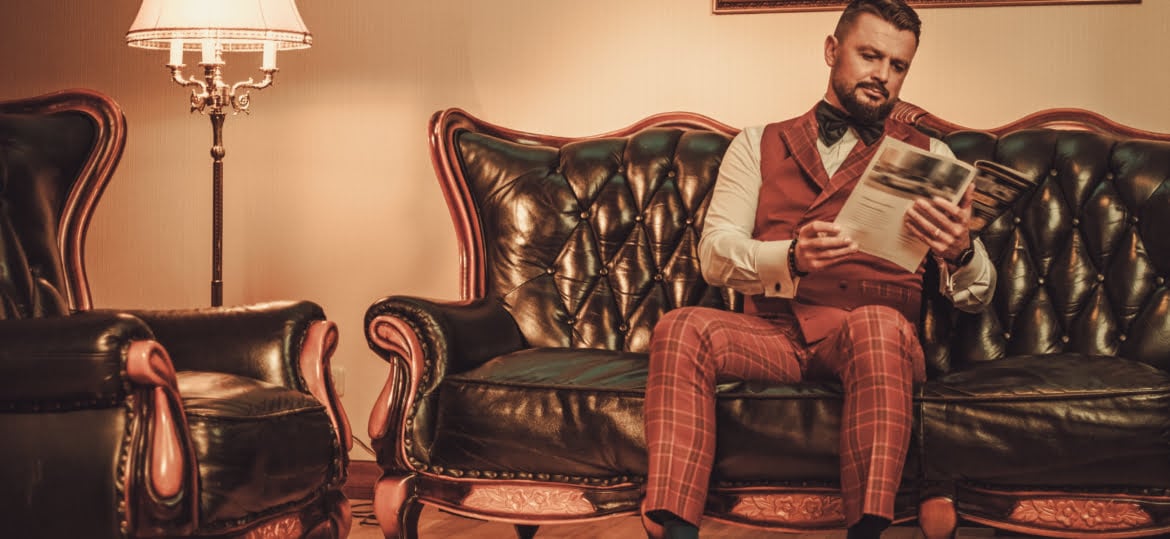
Many people admire the elegance of Chesterfield sofas but wonder whether their structured appearance means sacrificing comfort. The question often arises when someone loves the deep-set buttoning and rolled arms but hesitates because they are unsure how the sofa will feel not only on day one but in the years ahead. The simple truth is that well-made, high-quality Chesterfields do become more comfortable over time, yet the way they soften depends heavily on the materials, fillings and construction.
Why Chesterfields Feel Firm at First
Chesterfield sofas are designed with a distinctive structure. The tightly pulled upholstery, the deep-set button tufting and the rolled arms all work together to give the sofa its iconic shape. This creates an initial firmness that is different from modern pillow back or sink-in styles. Historically, Chesterfields were made for upright, supportive seating rather than soft and slouchy lounging. That heritage still influences how they feel today.
When a Chesterfield is new, the upholstery has not yet relaxed, and the fillings have not had time to adjust to the sitter’s weight. This structured feel is intentional. It provides the foundation for a sofa that will gradually soften and become more inviting without losing its shape.
How Comfort Develops Over Time
The comfort of a Chesterfield changes because almost every component softens or settles with use. Instead of losing support, the sofa evolves into a more balanced, familiar and personalised seat.
Leather that softens with use
Traditional leather is one of the most recognisable features of many Chesterfield sofas. When brand new, the leather can feel firm and tightly stretched, especially across the deep-set buttoning. Over the first few months, the fibres in the leather begin to relax and become more supple. The surface moulds gently to the user, and the leather warms and softens with each sitting session.
As the sofa is used over the first year, the leather continues to develop a natural patina and becomes increasingly comfortable. Full hide traditional leather tends to improve most noticeably because of its natural thickness and ability to soften consistently. Lower-grade or imitation leathers do not evolve in the same way and may peel or crack instead, which is why the material choice matters so much for long-term comfort.
Fabric and velvet settling patterns
Fabric or velvet Chesterfields feel different from leather ones. These materials are softer from the start and have a shorter adjustment period. Rather than gradually stretching like leather, fabric models rely on the filling beneath to create changes in comfort. Over the first few months, the cushions settle into a more relaxed form, and the sofa takes on a comfortable, broken-in feel. Although the level of change is not as dramatic as with leather, the result is a consistent, cosy seat that still retains its structure.
How cushion fillings shape long-term comfort
The choice of cushion filling plays a major role in how the comfort changes. Foam starts out firm but gently relaxes as the top layer softens. This results in a supportive seat that becomes more pleasant over time without flattening excessively. Fibre fillings offer a softer start and settle more quickly, creating a cushioned feel that suits those who prefer something less structured. Feather mixes offer the plushest experience but require more maintenance to keep the shape even. Each filling influences how the sofa evolves, so comfort development is closely tied to what sits beneath the upholstery.
The effect of springs and suspension
Beneath the cushions, the suspension system determines how the seat responds to weight. High-quality springs or webbing allow the sofa to remain supportive yet flexible. When the suspension is made well, it loosens slightly with use in a controlled, uniform way. This creates a more forgiving seat without causing dips or sagging. Sofas made with cheaper suspension systems often become uncomfortable because they lose their tension quickly. A good Chesterfield, by contrast, becomes more comfortable as the suspension settles into its optimal level of support.
Expected Comfort Timeline
Although every sofa evolves differently, most Chesterfields follow a similar comfort pattern.
First weeks:
The sofa feels firm and structured, especially in leather. The upholstery is still tight, and the fillings have not yet adjusted.
One to three months:
The material begins to relax, and the cushions settle. Leather starts to soften and feel more natural. Foam becomes slightly less rigid.
Six months:
The sofa has noticeably improved in comfort. The seating areas feel more relaxed, and the overall feel becomes warmer and more familiar.
Around one year:
Most Chesterfields reach their long-term comfort level. The materials have fully settled, and the sofa now feels balanced, supportive and lived in.
Why Some Chesterfields Become Less Comfortable Instead
Although high-quality Chesterfield sofas get more comfortable, poorly made ones often do the opposite. When a sofa is constructed from inferior materials, the break-in period reveals weaknesses rather than improvements.
Frames made from chipboard or softwoods may twist or creak. Low-grade foam can flatten quickly, causing the sitter to feel the frame beneath. Sparse or inexpensive springs often sag, creating uneven seating. Bonded leather or thin synthetics may crack instead of softening. These issues stem from construction shortcuts rather than the Chesterfield design itself. Comfort improving over time is a characteristic of well-built pieces, not imitations.
Leather or Fabric: Which Becomes More Comfortable
Both leather and fabric Chesterfields become more comfortable, but they do so in distinct ways.
Leather evolves the most. It starts quite firm, softens over several months and continues to improve for years. The patina, warmth and flexibility make it one of the most rewarding upholstery choices for long-term comfort.
Fabric provides comfort immediately. It has a gentler break-in period, with changes largely coming from the filling rather than the material itself. Fabric Chesterfields stay relatively consistent in feel after they have settled.
Choosing between them depends on whether you prefer instant softness or a sofa that gradually becomes more comfortable and gains character with age.
Helping Your Chesterfield Break In Smoothly
There are simple steps that encourage the sofa to soften evenly and comfortably. Rotating the cushions prevents one area from settling faster than another. Sitting in different locations along the sofa keeps the wear balanced. Plumping fibre or feather cushions helps maintain their shape and ensures the filling remains evenly distributed.
Leather benefits from occasional conditioning, which keeps the surface supple and encourages an even softening process. Keeping the sofa away from direct heat sources also helps prevent the material from tightening or drying out, both of which can slow the break-in stage.
Small accessories can further enhance comfort. Scatter cushions adjust the posture created by the low back, and a footstool helps create a more relaxed seating position. Throws also soften the initial coolness of leather during colder months.
When a Chesterfield Might Not Suit Your Comfort Preferences
While Chesterfield sofas do grow more comfortable, they may not be ideal for those who want an extremely soft or sink-in experience. Their charm lies in their combination of structure and evolving comfort rather than a slouchy, loose design. Those who love highly cushioned, pillow-backed seating may prefer a different style.
Understanding your personal comfort preferences is valuable. If you want a sofa that remains supportive but develops a softer, more lived-in feel, a Chesterfield is an excellent match. If you prefer deep sinking comfort from the first moment you sit down, the structured character of a Chesterfield may not be ideal.
What Ensures Long Lasting Comfort
A Chesterfield remains comfortable long-term when it is built with the right foundations. A strong hardwood frame prevents twisting and maintains the sofa’s structure. Quality suspension provides stable support as it gently loosens with use. Cushion fillings that match your preferred feel will deliver the right balance of structure and softness. Upholstery in traditional leather or durable fabric ensures the sofa ages gracefully.
When these elements come together, the result is a sofa that not only holds its shape but also becomes increasingly comfortable each year.
Final Thoughts
A well-made Chesterfield sofa becomes more comfortable over time because the materials and structure are designed to soften in a controlled, long-lasting way. Leather grows more supple, fillings adapt to regular use and the suspension settles into a balanced level of support. Fabric models also improve, though more subtly. The key factor is quality. When the construction is sound and the materials are chosen carefully, a Chesterfield will evolve into a sofa that combines elegance, support and lasting comfort.